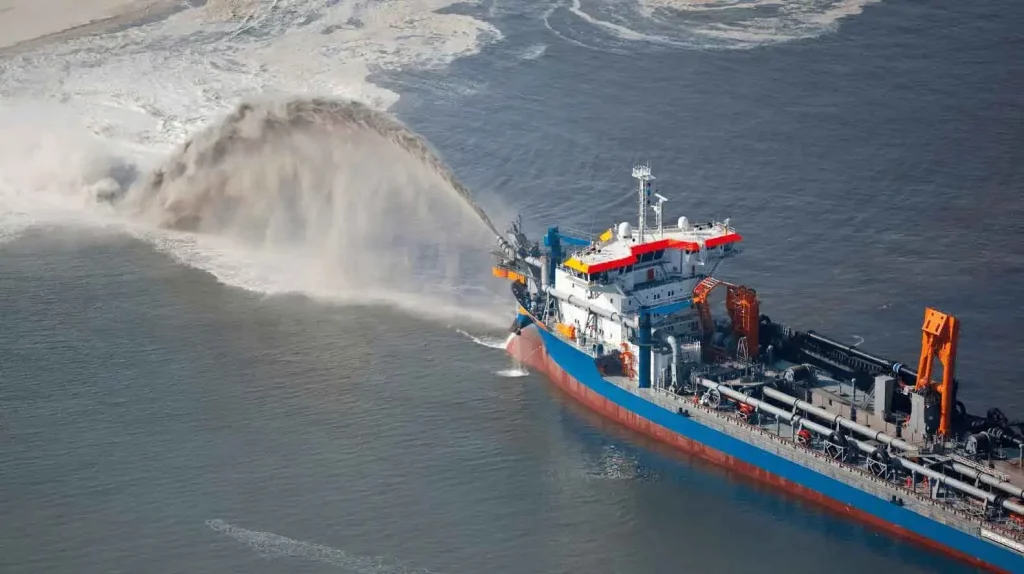
Sediment buildup is a common issue across Ireland waterways. Rivers, ports, canals, and estuaries slowly fill with sand, silt, and debris. When this happens, water flow decreases, navigation becomes difficult, and water quality declines. As a result, regular sediment removal is essential to keep waterways safe, functional, and compliant.
In Ireland, how sediment is handled after removal is as important as the removal itself. Regulations now place a strong focus on disposal methods, environmental impact, and water quality control. This has increased the need for effective treatment of water during and after dredging operations.
To manage this properly, projects must combine reliable sediment removal with practical water treatment solutions. This approach helps reduce disposal volumes, limits environmental risk, and keeps projects on schedule. Celtic Pumps & Dredges supports work across Ireland’s waterways by supplying proven pumps, dredging equipment, and transfer systems that allow sediment to be removed, moved, and treated in a controlled and efficient way.
The Irish context: why sediment removal and water treatment matter
In Ireland, work on rivers, ports, and coastal areas is closely regulated. Any project involving removing sediment must consider where the material goes, how water quality is protected, and how environmental impact is controlled. This applies to both small maintenance dredging and large capital works across Ireland’s waterways.
One of the main challenges is disposal. Not all sediment can be placed back into the water. Material often needs testing to check contamination levels, grain size, and suitability for reuse or disposal. As a result, many projects now plan for water treatment and on-land handling from the start, rather than treating them as afterthoughts.
These requirements affect how dredging projects are designed. Contractors need equipment that allows controlled sediment removal, steady slurry transfer, and effective dewatering. Poor planning can lead to delays, permit issues, and higher costs.
This is where practical equipment selection becomes important. By using the right pumps, pipelines, and dewatering systems, projects can meet Irish regulatory expectations while keeping operations efficient. Celtic Pumps & Dredges supports this process by helping clients select systems that match site conditions, sediment types, and compliance requirements across Ireland’s waterways.
New approaches to sediment removal for Ireland waterways
Sediment conditions across Ireland waterways are rarely the same. Some sites handle fine silt; others handle sand, gravel, or mixed material. As a result, traditional one-size-fits-all dredging methods are often inefficient. Newer approaches focus on controlled sediment removal that is easier to manage, transport, and treat.
One key improvement is the use of high-efficiency slurry pumps. These pumps are designed to handle abrasive material without frequent breakdowns. They allow sediment to be removed steadily, helping prevent sudden spikes in turbidity and making downstream water treatment more predictable.
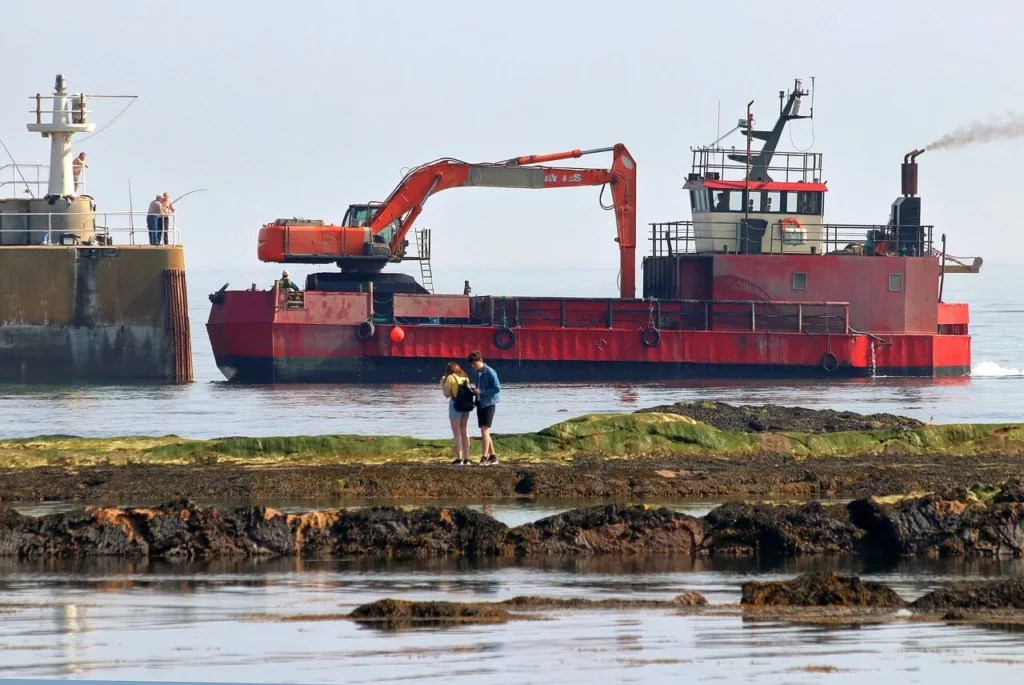
Another important shift is toward modular and mobile dredging setups. Instead of large fixed dredgers, many Irish projects now use excavator-mounted or portable dredging units. These systems work well in rivers, canals, and confined harbours where access is limited. They also reduce setup time and make short maintenance works more practical.
Pipeline and hose systems have also improved. Modern HDPE pipes and reinforced hoses allow sediment to be moved over longer distances to shore-based treatment areas. This improves water treatment and reduces the need for offshore disposal.
Together, these innovations make sediment removal more controlled, flexible, and compliant. Celtic Pumps & Dredges supports these modern methods by supplying pumps, pipelines, and dredging systems that suit real site conditions across Ireland waterways.

Water treatment and sediment processing: how projects are managed on site
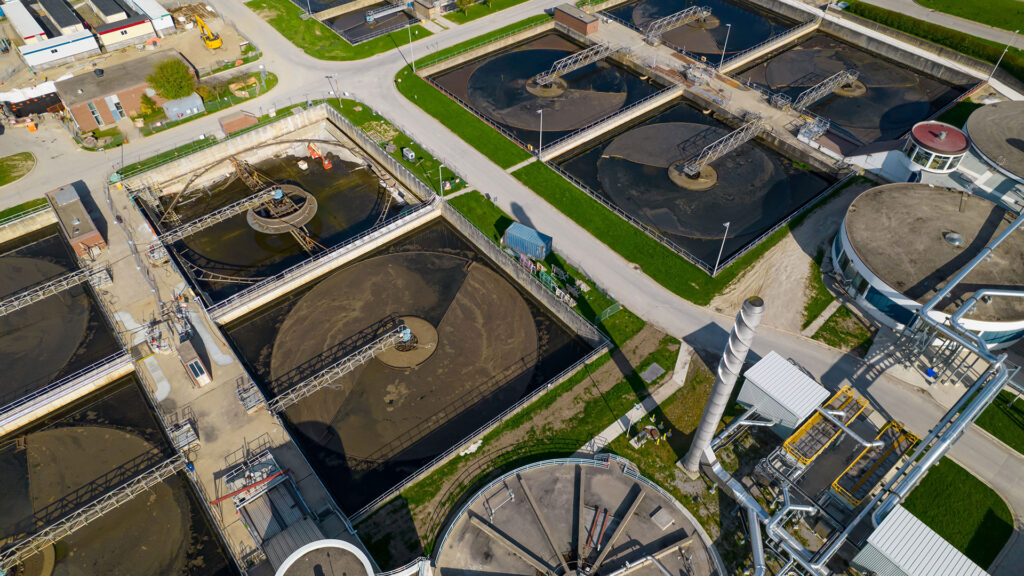
Once residue removal begins, the next challenge is handling the material safely and efficiently. On many Irish waterways projects, sediment cannot be released back into the water. This makes on-site water treatment and sediment processing a critical part of the overall plan.
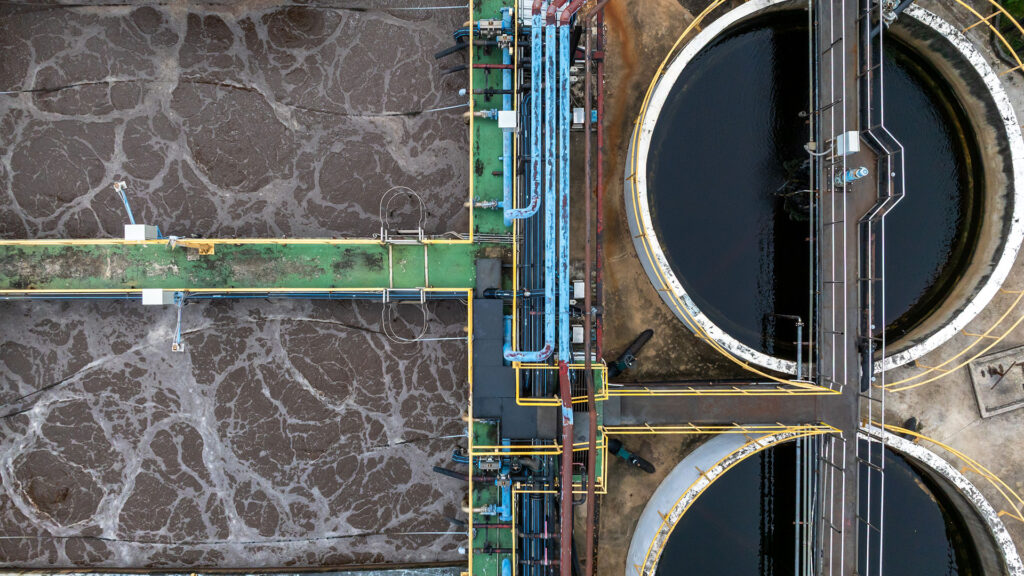
In most cases, sediment is pumped as slurry from the dredging area to a land-based location. Here, water is separated from solids using simple but reliable methods such as settling tanks, geotextile dewatering bags, or mechanical dewatering units. These systems reduce the volume of waste and allow clearer water to be returned or reused in a controlled way.
This process offers several benefits. It lowers disposal costs, reduces transport requirements, and makes it easier to meet environmental conditions set by regulators. It also allows sediment to be tested and, where suitable, reused for construction fill, land improvement, or other approved applications.
For this workflow to function smoothly, equipment must work together. Pumps need to handle abrasive slurry, pipelines must withstand continuous flow, and dewatering systems must match the sediment type. Celtic Pumps & Dredges supports this process by supplying integrated pump, transfer, and dewatering solutions that help clients manage water and sediment handling efficiently across Ireland’s waterways.
Permits, testing, and compliance planning in Ireland
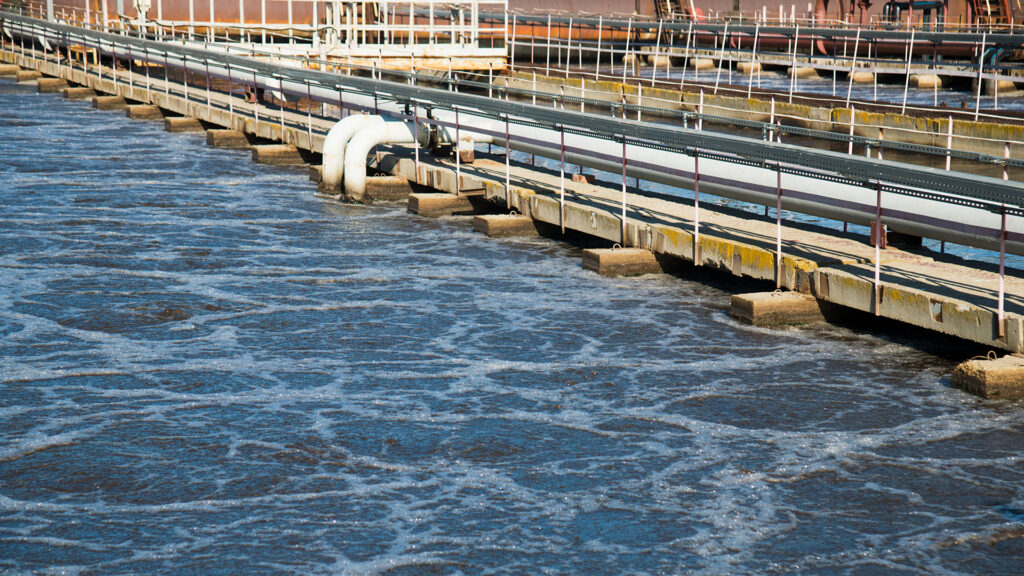
Before any residue removal work starts on Irish waterways, permits and testing must be in place. This step often decides whether a project runs smoothly or faces delays. Most projects require early planning to comply with environmental and regulatory requirements.
Sediment testing is usually the first requirement. Samples are taken to check grain size and contamination levels. These results help determine whether the sediment can be reused, needs treatment, or must be disposed of at an approved location. This information also shapes the water management method used on-site.
Permits may be needed depending on location and disposal method. In coastal and estuarine areas, Dumping at Sea permissions may apply. Inland projects often require environmental assessments and monitoring plans. Turbidity limits, discharge quality, and work windows are commonly included in permit conditions.
To meet these requirements, equipment selection matters. Controlled pumping rates, steady slurry flow, and reliable dewatering systems make compliance easier. Projects that plan residue removal and water management together are less likely to face stoppages or redesigns.
Celtic Pumps & Dredges supports clients at this stage by aligning equipment choices with permit conditions and site constraints, helping projects across Ireland’s waterways move from approval to execution with fewer risks.
Example of sediment removal and water treatment in practice
Consider a typical maintenance project on an Irish river or small port where sediment buildup is affecting navigation and water flow. The main goal is to remove accumulated material while minimizing disruption and environmental risk.
The project begins with the targeted removal of sediment using a small, controlled dredging setup. Instead of aggressive cutting, sediment is removed at a steady rate to limit turbidity. The material is pumped as a slurry through pipelines to a nearby onshore area, eliminating the need for repeated barge movements.
Once on land, basic treatment of water takes place. Solids are separated from water using dewatering bags or mechanical systems. Clearer water is managed according to permit conditions, while the solid material is tested and assessed for reuse or disposal. In many cases, suitable sediment can be reused for fill or landscaping, reducing waste and transport costs.
This type of setup keeps operations simple and flexible. It allows work to continue within permit limits and makes it easier to adjust flow rates or treatment methods if conditions change. By planning residue removal and treatment of water together, the project avoids delays and unexpected compliance issues.
This approach reflects how modern projects across Ireland’s waterways are delivered, prioritizing control, efficiency, and regulatory alignment over oversized equipment or short-term fixes.
Cost and efficiency benefits of combining sediment removal and water treatment
Planning water residue removal and treatment as a single process helps projects across Ireland’s waterways control both costs and timelines. When these activities are handled separately, projects often face rework, added transport, and unexpected compliance issues.
One of the main cost benefits comes from reducing disposal volumes. By removing water from sediment on site, the total material that needs transport and disposal is significantly lower. This directly cuts haulage costs and reduces reliance on offshore disposal options.
Efficiency also improves during operations. Steady pumping rates and controlled dewatering allow work to continue without frequent stoppages. This makes it easier to comply with permit conditions and avoid delays caused by turbidity exceedances or discharge limit violations.
There are long-term benefits as well. Proper water management protects surrounding ecosystems and reduces the risk of future restrictions on maintenance dredging. It also supports the reuse of suitable sediment, which can offset material costs on other projects.
By selecting the right pumping, transfer, and dewatering systems from the start, asset owners can achieve predictable outcomes. Celtic Pumps & Dredges helps clients across Ireland waterways design these integrated systems so residue removal projects remain efficient, compliant, and cost-effective.
Implementation roadmap for sediment removal projects in Ireland
Successful projects across Ireland waterways follow a clear and practical process. A structured approach helps avoid delays, keeps costs under control, and ensures that residue removal and water treatment meet regulatory expectations.
The first step is a site assessment. This includes reviewing access conditions, sediment type, volumes, and discharge limits. Early sampling and testing help define the right treatment method and disposal or reuse options.
Next comes system planning. Pump selection, pipeline layout, and dewatering methods are determined by sediment characteristics and distance to the treatment area. Designing these elements together reduces changes during execution.
Once permits are approved, mobilisation can begin. Equipment is installed in stages, so flow rates and treatment performance can be adjusted as work progresses. Monitoring during operations ensures turbidity and discharge limits are maintained.
Once residue removal is complete, the treated material is tested and managed in accordance with its approved end use. Clear documentation and reporting support project close-out and future maintenance planning.
Celtic Pumps & Dredges supports this full workflow by assisting with equipment selection, system setup, and operational support, helping clients deliver reliable residue removal and water treatment solutions across Ireland waterways.
Why Celtic Pumps & Dredges for sediment removal in Ireland
Delivering effective removal of sediment across Ireland waterways requires more than just equipment. It requires systems that work together and support compliance, efficiency, and long-term operation. This is where Celtic Pumps & Dredges adds value.
Celtic Pumps & Dredges supplies proven pumping and dredging solutions designed for real site conditions in Ireland. Their portfolio supports controlled sediment removal, reliable slurry transfer, and practical water treatment setups that reduce disposal volumes and environmental risk. Equipment is selected based on sediment type, distance, and flow requirements rather than generic specifications.
Beyond supply, Celtic supports project planning and execution. This includes helping clients choose the right pump configurations, pipeline systems, and dewatering methods to match permit conditions and site constraints. This practical approach reduces downtime, avoids overdesign, and keeps projects compliant.By focusing on fit-for-purpose solutions and on-site reliability, Celtic Pumps & Dredges helps asset owners, contractors, and authorities manage sediment removal projects that are efficient, compliant, and aligned with the long-term needs of Ireland waterways.