Choosing the Right Slurry Pump: Factors to Consider for Efficient Slurry Management
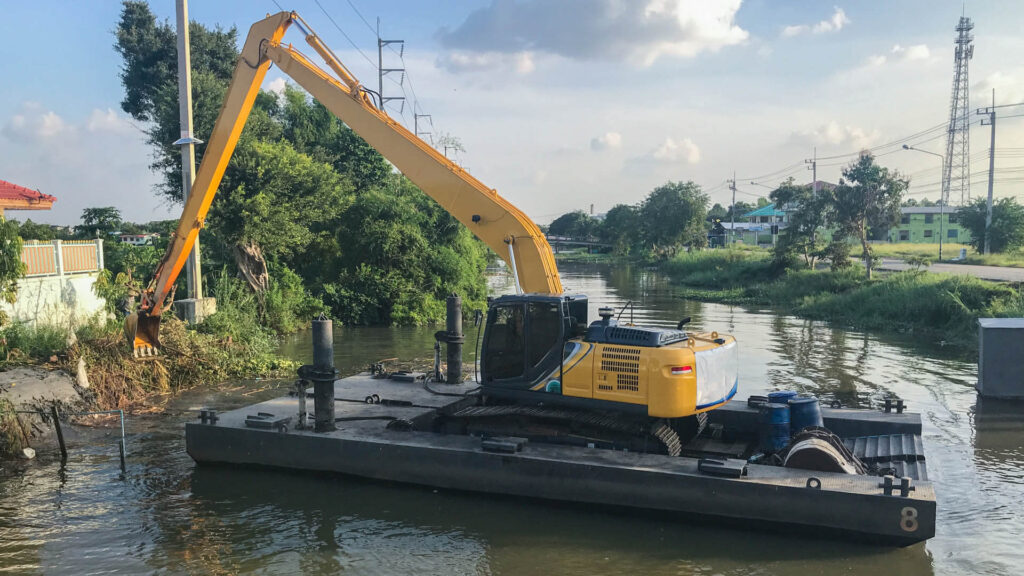
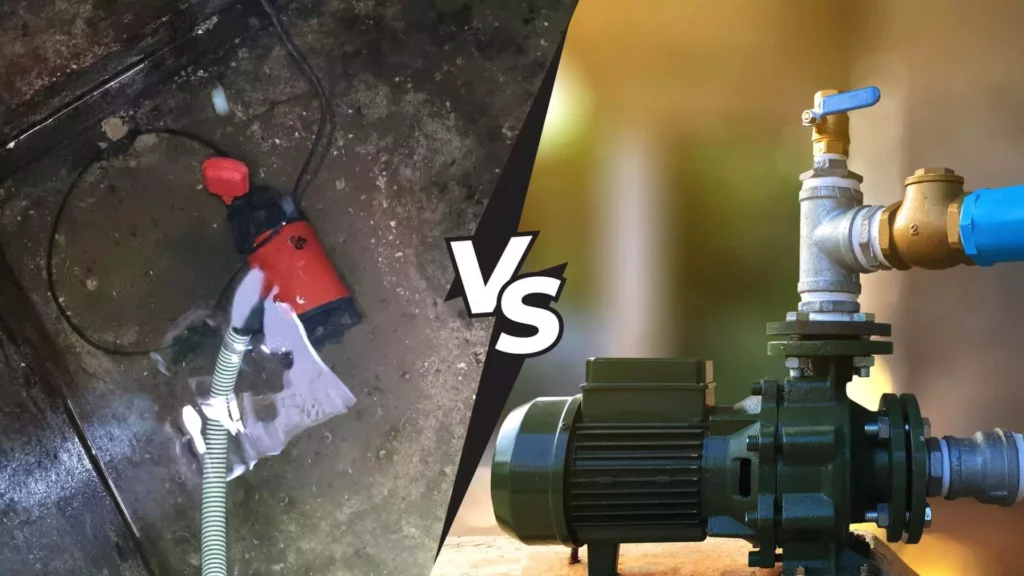
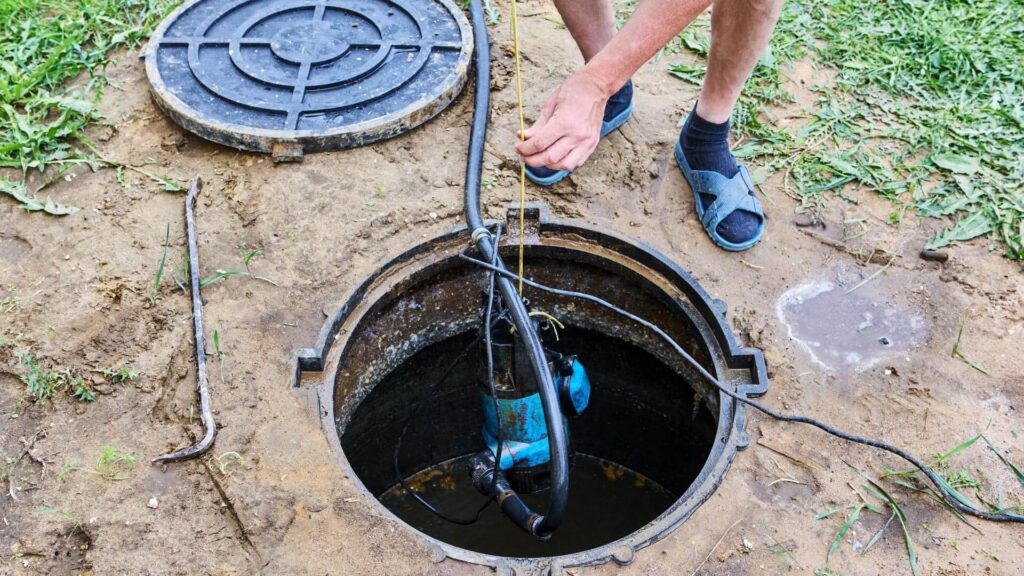
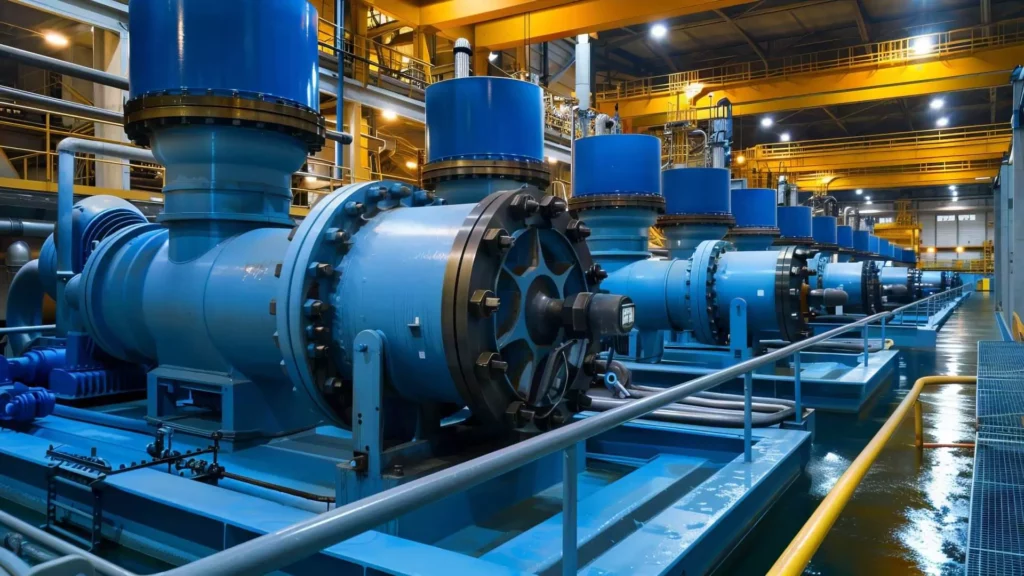
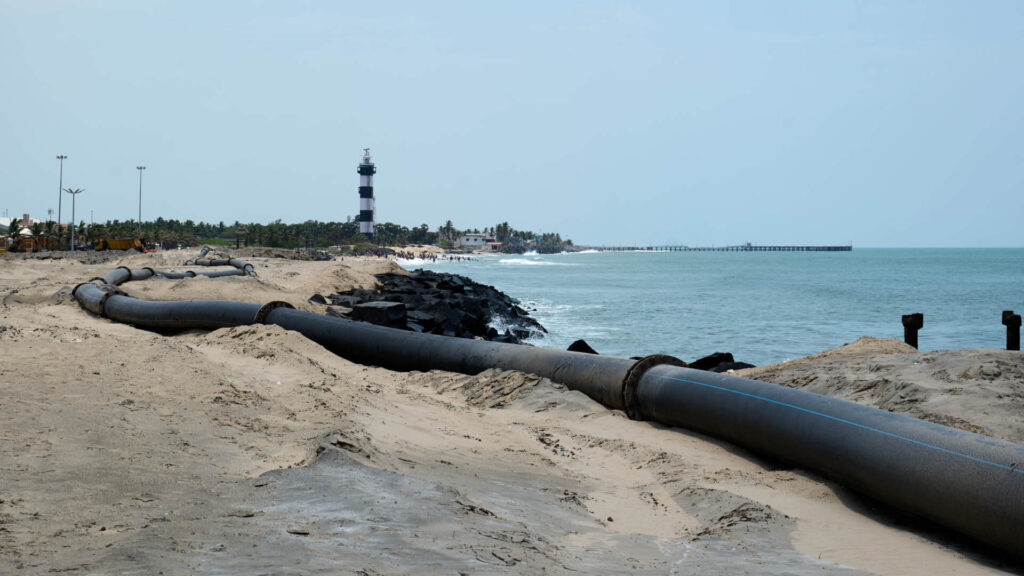
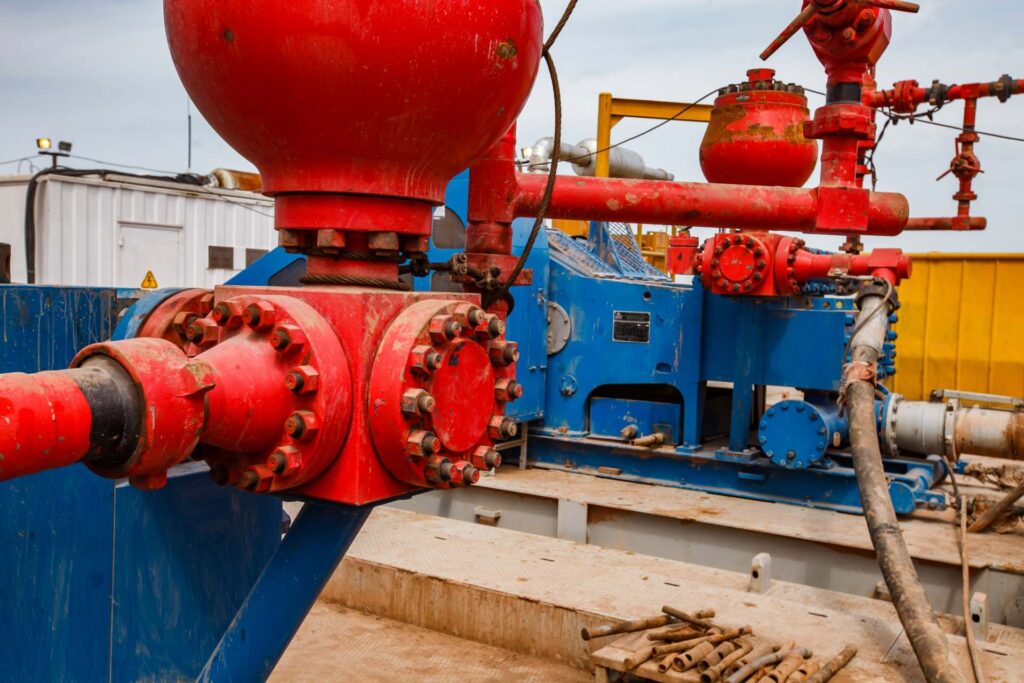
In industrial and dredging applications, mud pumping plays a crucial role in transferring mixtures of liquids and solids, often under challenging conditions. These slurries can range from simple water-based mixtures to highly abrasive or viscous substances, making it essential to select the right pump for the job. Industries such as mining, construction, and dredging rely heavily on sludge pumps to ensure efficient material transport, minimizing downtime and maximizing productivity. Choosing the right pump is key to ensuring operational efficiency and reducing costs. A properly selected pump can improve the performance of slurry systems, reduce energy consumption, and extend the lifespan of equipment. In contrast, using the wrong type of pump can lead to frequent maintenance, higher energy bills, and even premature pump failure, all of which drive up project costs. For many projects, slurry pump rental offers a flexible solution, particularly when the pump is needed for a short-term project or if specialized equipment is required. It allows businesses to access high-quality pumps without the long-term investment. Partnering with reliable slurry pump suppliers is also crucial, as they can provide expert guidance, after-sales service, and the right equipment for each unique project. Their support can make all the difference in ensuring smooth operations and project success. Understanding Slurry and Its Challenges Slurry is a mixture of solid particles and liquids that are often difficult to manage due to their unique characteristics. In most industrial applications, slurry is a dense, viscous fluid that can contain various types of solids suspended in water or other liquids. These mixtures can range from relatively low-solids content slurries in wastewater treatment plants to highly abrasive or corrosive slurries found in mining, dredging, and construction operations. Slurry composition is typically defined by the particle size, shape, and concentration of solids, as well as the properties of the liquid component. This combination of solids and liquids creates distinct challenges that must be addressed when selecting and maintaining mud pumps. Several industries rely on effective slurry management for efficient operations. In the mining sector, slurries are generated during mineral extraction and processing, requiring robust mud pumps to handle abrasive materials like sand, rocks, and ores. Similarly, in dredging, slurry is produced during the removal of sediment from waterways, which requires specialized pumps to transport dense mixtures of sand, mud, and water over long distances. In construction, particularly in tunneling or excavation projects, slurry is often used as a cooling and lubrication medium for drilling operations, where consistency and flow rate are critical. The oil and gas industry also generates slurry, particularly in offshore drilling, where slurries are used in mud systems to support drilling operations and maintain pressure control. Slurry management presents a number of key challenges. One of the most significant is high abrasiveness, especially in mining or dredging slurries. The solid particles can cause rapid wear on equipment, leading to maintenance challenges and high operational costs. Viscosity is another challenge, as highly viscous slurries require pumps that can move thick, sticky fluids without clogging or causing excessive wear. Finally, sedimentation is a common issue, especially in slurries with a high concentration of fine particles. As slurries settle, the solids can create blockages and cause pump failure if not properly managed. In such demanding conditions, working with reliable slurry pump suppliers is essential for obtaining the right equipment. These suppliers offer pumps that are specifically designed to handle the challenges of slurry transport and provide expert advice on maintenance and performance optimization. For temporary projects or specific needs, slurry pump rental is also a viable option, offering flexibility without the commitment of purchasing expensive equipment. By partnering with experienced slurry pump suppliers, businesses can ensure their slurry systems are optimized for efficiency, minimizing downtime and maximizing productivity. Types of Slurry Pumps and Their Applications Centrifugal Slurry Pumps Centrifugal sludge pumps are the most commonly used type in industries dealing with abrasive or high-solids-content slurries. These pumps rely on centrifugal force to move the slurry through the pump casing, making them highly efficient in transferring large volumes of slurry over long distances. Centrifugal pumps are ideal for applications where the slurry has a moderate to high flow rate and relatively low viscosity, such as in mining and dredging. However, their effectiveness can be impacted by the abrasiveness of the slurry, requiring pumps with wear-resistant materials. Submersible Slurry Pumps Submersible slurry pumps are designed to operate while submerged in the slurry itself. These pumps are commonly used in environments where the slurry is being pumped from a submerged location, such as dredging operations or wastewater treatment plants. Submersible pumps are highly efficient in handling slurries with varying levels of viscosity and solids content, and they excel in situations where a centrifugal pump would be less effective. These pumps are often preferred for confined spaces and deep-set applications. Horizontal vs. Vertical Slurry Pumps The choice between horizontal vs. vertical sludge pumps largely depends on the installation environment and the specific needs of the project. Horizontal mud pumps are typically easier to maintain and install, making them ideal for applications with a horizontal slurry flow path, such as in open-pit mining or sediment removal projects. On the other hand, vertical mud pumps are well-suited for submerged applications and can handle slurries with a high solids concentration. Vertical pumps are commonly used in dredging operations or deep sumps. Working with trusted slurry pump suppliers can help ensure the right pump selection. These suppliers have the expertise to match the appropriate pump with the project’s specific needs, whether it’s for high-abrasive slurries or low-flow applications. In some cases, slurry pump rental is an excellent option, especially when specialized pumps are required for a short-term project or pilot study. By renting pumps, businesses can test various models to find the best fit for the job without making a significant capital investment. Reliable slurry pump suppliers can also assist in providing rental solutions that meet specific project demands. Key Factors to Consider When Choosing a Slurry Pump When selecting the right mud pump for
Choosing the Right Slurry Pump: Factors to Consider for Efficient Slurry Management Read More »