Dredging

Revolutionizing Environmental Protection in Dredging with Advanced Pipeline Techniques

Revolutionizing Environmental Protection in Dredging with Advanced Pipeline Techniques

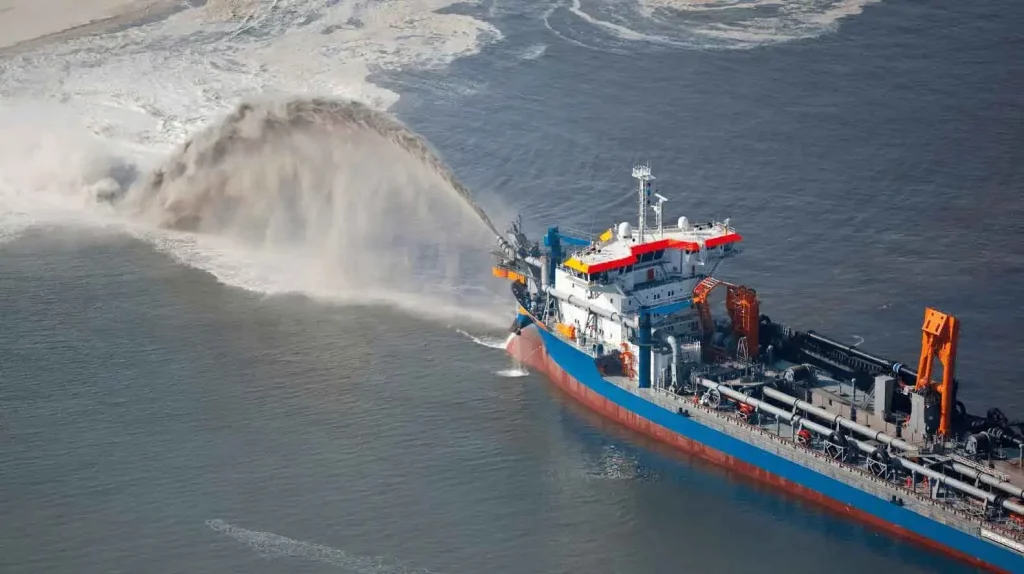
Dredging plays a vital role in maintaining and expanding navigable waterways, supporting industries like shipping, construction, and resource extraction. However, traditional dredging methods have long been criticized for their negative environmental impacts. The resuspension of sediments, disturbance of marine habitats, and introduction of harmful pollutants into aquatic ecosystems are common issues associated with older dredging techniques. These challenges have highlighted the need for environmental protection in dredging, as traditional practices often fail to address the ecological harm they cause adequately. As a result, there is a growing push toward more sustainable dredging solutions that prioritize both operational efficiency and the preservation of marine ecosystems. Fortunately, advanced pipeline dredging has emerged as a more environmentally friendly and sustainable solution. As the demand for balancing industrial needs with environmental protection in dredging grows, pipeline dredging offers a way to minimize the environmental footprint of essential dredging activities. Through the adoption of sustainable dredging practices and the use of innovative pipeline dredging equipment, the industry is now better equipped to ensure environmental protection while simultaneously meeting operational goals and preserving natural ecosystems. Understanding Pipeline Dredging Pipeline dredging is a method of sediment removal that uses suction and hydraulic power to transport dredged material through a system of pipelines. This method differs significantly from traditional mechanical dredging, which typically involves physical scooping and the transport of sediment by machinery. With pipeline dredging, the dredged material is moved directly from the seabed or riverbed to a designated disposal area or processing site, reducing the need for multiple handling stages. This process enhances environmental protection in dredging by minimizing the disruption to aquatic ecosystems, as the material is transported more efficiently and with less disturbance to the surrounding environment. Furthermore, pipeline dredging allows for more precise control over sediment removal, ensuring that only targeted areas are affected, which is a key element in modern sustainable dredging practices. One key advantage of pipeline dredging is that it minimizes disruption to marine ecosystems. Traditional methods often cause significant sediment resuspension, which can cloud the water, harm marine plants, and disturb aquatic life. In contrast, pipeline dredging equipment operates more precisely, reducing these disturbances and allowing for more controlled sediment removal. This method not only improves efficiency but also aligns with the growing focus on environmental protection in dredging operations. Environmental Benefits of Advanced Pipeline Dredging Techniques One of the most significant environmental benefits of advanced pipeline dredging techniques is the reduction of sediment resuspension. When sediments are disturbed, harmful pollutants such as heavy metals and chemicals can be released into the water. These pollutants degrade water quality, harm aquatic organisms, and disrupt entire ecosystems. By using precision technologies, pipeline dredging equipment minimizes the release of these harmful substances, improving water quality and enhancing environmental protection in dredging projects. Another benefit of advanced pipeline dredging is its ability to protect marine life and habitats. Many modern systems are equipped with real-time monitoring technologies that allow operators to avoid sensitive areas such as coral reefs, fish spawning grounds, and other vital habitats. This ensures that operations can proceed with minimal risk to the surrounding ecosystem, further supporting sustainable dredging practices. Additionally, pipeline dredging requires less reliance on chemicals traditionally used in other dredging methods, further reducing environmental harm. Technological Innovations Enhancing Environmental Protection Recent technological advancements have played a crucial role in improving the environmental performance of pipeline dredging equipment. The development of eco-friendly pipeline dredging equipment has significantly lowered emissions and reduced fuel consumption, enhancing environmental protection in dredging. Some equipment now operates using hybrid or electric technologies, which further minimizes their carbon footprint and impact on surrounding environments, reinforcing the commitment to environmental protection in dredging practices. Automation is another key advancement in pipeline dredging. It allows for precise operations that reduce unnecessary environmental disturbances. Automated systems can adjust dredging activities in real-time, optimizing efficiency while minimizing the impact on the ecosystem. For example, automated equipment can target specific areas for dredging, leaving the surrounding seabed undisturbed. These systems can also monitor water quality and sediment composition, providing data that operators can use to ensure environmental protection in dredging. Filtration systems have also advanced significantly, enabling the capture of pollutants and debris during dredging operations. These filtration systems prevent contaminants from being released into the water, ensuring that dredging activities do not contribute to the degradation of the aquatic environment. This not only improves the quality of the dredged material but also ensures that the surrounding ecosystems remain uncontaminated. The Future of Pipeline Dredging and Environmental Protection Looking ahead, pipeline dredging is expected to continue evolving toward even more sustainable dredging practices. Emerging trends in the industry include the development of fully automated dredging systems that rely on advanced monitoring and data analysis to minimize environmental impact further. These systems will likely incorporate AI and machine learning to predict environmental risks and adjust operations accordingly, enhancing both efficiency and environmental protection in dredging. By adopting these technologies, dredging operations can better align with sustainable dredging practices, ensuring that environmental considerations are integrated into every stage of the process, ultimately leading to improved ecological outcomes and reduced disruption to marine ecosystems. Regulatory bodies also play an essential role in shaping the future of pipeline dredging. Governments and international organizations are increasingly setting stricter environmental standards for dredging operations, pushing companies to adopt more sustainable dredging practices. These regulations are driving innovation and helping ensure that future dredging activities prioritize environmental protection. As the demand for sustainable industrial practices grows, the pipeline dredging industry will need to continue embracing technological advancements. Continued innovation in equipment design, monitoring systems, and operational strategies will be vital to achieving long-term environmental health. The future of environmental protection in dredging depends on the industry’s commitment to adopting and refining these technologies. Conclusion Advanced pipeline dredging techniques represent a major step forward in environmental protection in dredging operations. By reducing sediment resuspension, minimizing the release of harmful pollutants, and utilizing eco-friendly technologies, these methods are transforming how dredging is conducted. They ensure that industrial

Revolutionizing Environmental Protection in Dredging with Advanced Pipeline Techniques Read More »
Water Dredging

Comprehensive Dredging Equipment Guide: Key Features and Best Options

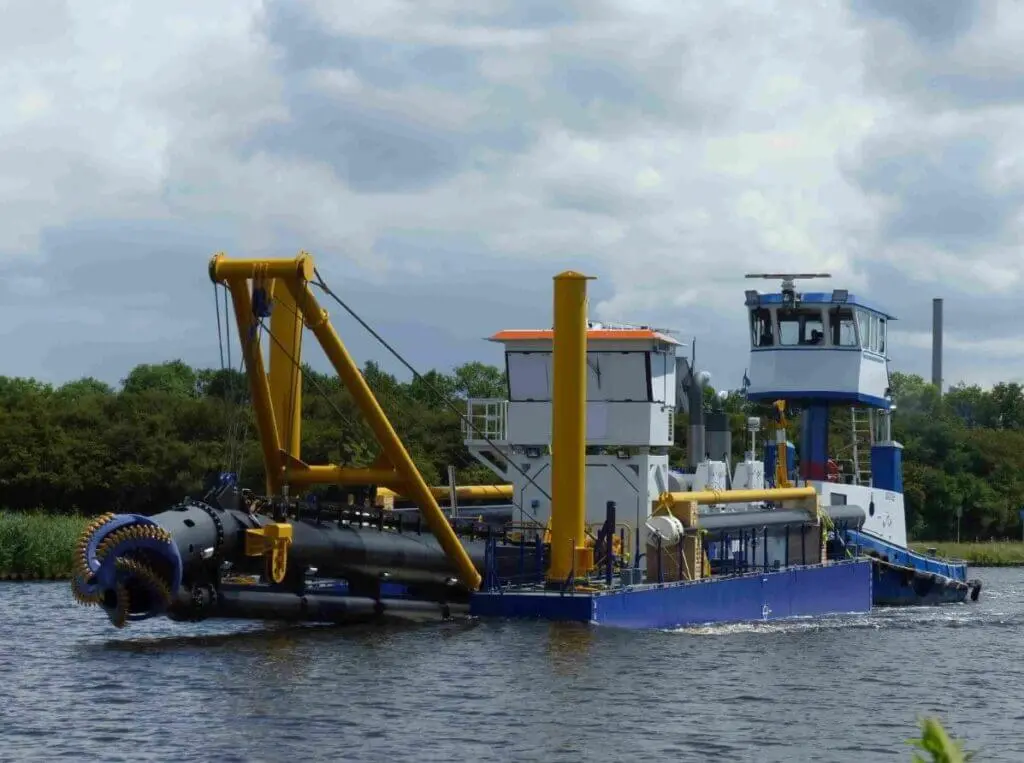
Dredging is a critical process in many industries, playing a vital role in maintaining waterways, creating land, and extracting valuable resources. Whether it’s for construction, mining, or environmental restoration, dredging ensures the removal of sediments from underwater environments. Selecting the right dredging equipment is crucial for project success, as it impacts the efficiency, cost, and environmental sustainability of the operation. This dredging equipment guide will explore the key features to consider when choosing reliable dredging equipment and review some of the top dredging equipment options available. 1. Overview of Dredging Equipment What is Dredging Equipment? Dredging equipment is designed for underwater excavation and sediment removal. Its primary purpose is to gather, transport, and deposit materials such as sand, silt, and debris from the bottom of water bodies. This reliable dredging equipment is used across industries like construction, mining, and environmental management to clear shipping channels, create land reclamation sites, and restore wetlands. Understanding these applications is essential for selecting the best options from the dredging equipment guide. Types of Dredging Equipment Dredging equipment falls into two main categories: mechanical and hydraulic. Common equipment types include: 2. Key Features to Consider in Dredging Equipment Choosing the right dredging equipment requires understanding the key features that affect performance, durability, and overall project efficiency. Below are some critical features to consider when evaluating top dredging equipment in this dredging equipment guide: A. Durability and Material Strength Durability is paramount when selecting reliable dredging equipment. As highlighted in this dredging equipment guide, since dredging operations occur in harsh, corrosive environments, equipment must be made from corrosion-resistant materials like high-quality steel or specialized coatings to protect against rust and degradation. Wear-resistant parts are also essential to withstand the constant friction and impact from rocks, sand, and debris, ensuring longevity and reduced maintenance costs. B. Performance and Efficiency Performance is largely determined by the equipment’s power, capacity, and speed. The suction power, cutting precision, and material transport speed all play roles in defining how quickly and efficiently a dredging project can be completed. Additionally, energy efficiency is an important consideration, as fuel or electricity consumption can significantly impact operational costs. High-efficiency equipment helps to minimize energy use while maximizing output, which is a critical factor when reviewing top dredging equipment in this dredging equipment guide. C. Depth and Range The depth and range capabilities of dredging equipment are crucial, as highlighted in this dredging equipment guide, depending on the project’s scope. For example, deep-sea dredging operations require machines capable of reaching considerable depths, while shallow-water dredging requires equipment designed for more precise operations. Choosing equipment that can handle the specific range and depth of your project ensures optimal performance and minimizes the need for additional tools or attachments. D. Ease of Maintenance Frequent maintenance of dredging equipment is unavoidable, but opting for equipment with maintenance-friendly features can extend its lifespan and reduce downtime. Look for machines with accessible parts, easy-to-change components, and clear maintenance guidelines. Some modern dredging equipment also includes remote monitoring systems that help detect wear and tear before it becomes a problem. This feature is often found in reliable dredging equipment models, as outlined in this dredging equipment guide. E. Environmental Impact Environmental regulations increasingly demand that dredging projects minimize their ecological footprint. Choosing equipment with features designed to reduce environmental disturbance—such as silt curtains to prevent sediment spread—helps ensure compliance with local laws and protects aquatic ecosystems. It’s important to select equipment that aligns with the environmental sensitivity of the dredging site to minimize negative effects on marine life and water quality. Reviewing the environmental capabilities of top dredging equipment is essential for sustainable operations, as emphasized in this dredging equipment guide. 3. Best Dredging Equipment Options There are several high-performing dredging equipment options available, each suited to different project types. Here’s an overview of the top dredging equipment choices: A. Cutter Suction Dredgers (CSD) Key Features: CSDs are known for their powerful suction capabilities and precision cutting tools, which enable them to handle tough materials like rock, clay, and dense sediments. As part of the top dredging equipment, they are highly efficient for continuous dredging operations and can remove large amounts of material in a single pass. Best For: Ports, harbors, and deep-sea dredging where high precision and power are required. Example Models: Notable brands include IHC Merwede and Jan De Nul, which offer a range of CSDs tailored for different project scales. These models are often considered reliable dredging equipment for large-scale operations. B. Hopper Dredgers Key Features: Hopper dredgers are self-propelled vessels that feature onboard storage (hoppers) for dredged materials. They can operate in offshore environments, allowing for material collection and transportation in a single cycle. Hopper dredgers also have self-unloading capabilities, making them highly efficient for land reclamation and beach nourishment projects. Best For: Offshore dredging, sand replenishment, and land reclamation. Example Models: Leading brands include Damen Shipyards and Royal Boskalis Westminster, offering reliable hopper dredgers with advanced features for large-scale operations. C. Excavator Dredge Attachments Key Features: Excavator dredge attachments offer versatility and cost-effectiveness for smaller-scale dredging projects. They can be mounted on standard excavators, making them ideal for operators who need a flexible solution for inland water dredging. As mentioned in this dredging equipment guide, these attachments are typically easy to transport and offer precision for sediment removal in rivers, lakes, and wetlands, making them a popular choice for smaller, specialized operations. Best For: Inland dredging and smaller-scale projects in shallow waters. Example Brands: HAWK Excavator and EDDY Pump produce high-quality dredge attachments for various excavator models, ensuring a wide range of options for different projects. 4. Selecting the Right Dredging Equipment for Your Project When choosing dredging equipment, several factors should influence your decision, as emphasized in this dredging equipment guide, including the project scope, site conditions, and budget. For larger-scale projects, more powerful and efficient equipment like CSDs or hopper dredgers may be necessary. For smaller or more specialized operations, excavator dredge attachments could be a better fit. Site conditions such as water

Comprehensive Dredging Equipment Guide: Key Features and Best Options Read More »

Maintain Your Pump and Dredge Equipment

How to Maintain Equipment: Ensuring Longevity for Your Pump and Dredge Systems

To ensure the longevity, efficiency, and reliability of your machinery, it’s crucial to maintain equipment regularly. Routine maintenance not only extends the lifespan of your pump and dredge equipment but also prevents costly repairs and downtime, which can disrupt operations. This article provides a comprehensive guide on how to effectively maintain equipment, focusing on pump maintenance and dredge maintenance practices that keep your systems in optimal condition for years to come. 1. Regular Inspection and Monitoring The foundation of effective maintenance is regular inspection and monitoring. These routine checks allow you to identify wear and tear early, preventing minor issues from escalating into major problems. Daily, weekly, and monthly inspections should be part of your maintenance routine, focusing on critical components that are prone to damage. Routine Checks:Perform visual inspections of your equipment daily, looking for any signs of leaks, unusual noises, or vibrations. These can be early indicators of potential issues that require immediate attention to maintain equipment functionality. Monitoring Performance:Keep a log of your equipment’s performance metrics, such as pressure levels, flow rates, and operational hours. This data helps in spotting any deviations from normal performance, allowing you to address problems before they cause significant damage. Key Areas to Inspect:Focus on seals, hoses, and connections, as these are often the first areas to show signs of wear. Regularly inspecting the impellers, pumps, and dredge heads to maintain equipment ensures they are functioning correctly and are not clogged with debris, which is a critical aspect of both pump maintenance and dredge maintenance. 2. Lubrication of Moving Parts Lubrication is a critical aspect of maintaining equipment, as it reduces friction between moving parts, preventing wear and overheating. Without proper lubrication, components can seize up, leading to costly repairs and downtime. Why Lubrication is Essential:Lubrication minimizes wear and tear on critical components, such as bearings and gears, which are subject to high levels of stress during operation. Regular lubrication also helps dissipate heat, reduce the risk of overheating, and ensure the longevity of your equipment. Types of Lubricants:Different types of pump and dredge equipment require specific lubricants. For instance, some systems may need high-temperature grease, while others might require oil-based lubricants. Always refer to the manufacturer’s guidelines to ensure you’re using the correct lubricant to maintain equipment effectively. Lubrication Schedule:Create a lubrication schedule based on the manufacturer’s recommendations and the operating conditions of your equipment. Regularly check lubrication levels and top up or replace lubricants as needed to maintain equipment efficiency, a key component of thorough pump maintenance and dredge maintenance routines. 3. Cleaning and Debris Removal Keeping your pump and dredge equipment clean is vital for preventing buildup that can lead to damage. Sediment, debris, and other contaminants can clog components, reduce efficiency, and cause premature wear. Importance of Cleaning:Regular cleaning helps maintain equipment by preventing the accumulation of sediment and debris, which can obstruct the flow of materials and damage components. Maintaining cleanliness is essential for the efficient operation of your equipment, ensuring it performs at peak levels. Cleaning Techniques:Different types of equipment require different cleaning methods. For example, high-pressure water jets can be used to clean dredge heads and pipes, while brushes and cleaning agents might be necessary for other components. Ensure that cleaning is done carefully to avoid damaging sensitive parts, a key practice in both pump maintenance and dredge maintenance. Debris Management:Implement strategies to manage debris effectively, such as using screens or filters to catch large particles before they enter the system. Regularly remove and clean these filters to maintain optimal flow and prevent blockages, ensuring your equipment runs smoothly. 4. Replacement of Worn-Out Parts Even with the best maintenance practices, some parts will inevitably wear out and need replacement. Proactively replacing these components can prevent unexpected breakdowns and extend the life of your equipment. Identifying Worn Parts:Look for signs of wear, such as cracks, corrosion, or thinning of materials. Pay attention to components like seals, gaskets, and filters, which are particularly prone to wear and tear, ensuring you maintain equipment longevity. Common Parts to Replace:Seals and gaskets often wear out due to constant exposure to pressure and abrasive materials, making it crucial to maintain equipment by regularly replacing these components. Filters need regular replacement to ensure that the system remains free of contaminants. Impellers and other moving parts should also be monitored and replaced when they show signs of excessive wear, which is critical for effective pump maintenance and dredge maintenance. Proactive Replacement:Rather than waiting for parts to fail, replace them as part of your regular maintenance routine. This proactive approach reduces the risk of unexpected downtime and maintains equipment performance, ensuring long-term reliability. 5. Proper Storage and Handling How you store and handle your equipment can significantly impact its longevity. Proper storage and handling practices help protect your equipment from environmental damage and mechanical wear. Storage Tips:Store your equipment in a dry, sheltered area to protect it from the elements. If the equipment is not in use for an extended period, drain any fluids and lubricate moving parts to prevent rust and corrosion, a crucial step to maintain equipment longevity. Handling Precautions:When moving or transporting equipment, use the correct lifting techniques and equipment to avoid damaging components. Ensure that all parts are securely fastened and that the equipment is stable during transportation to prevent unnecessary wear and tear. Seasonal Considerations: Adjust your maintenance routine based on the season to effectively maintain equipment. For example, in colder climates, ensure that equipment is winterized to prevent freezing, while in hot, humid conditions, focus on preventing rust and corrosion. These adjustments are essential for maintaining equipment across various environmental conditions. 6. Following Manufacturer Guidelines Manufacturer guidelines are an invaluable resource for maintaining your equipment. These guidelines provide specific instructions on how to care for your machinery, ensuring it operates safely and efficiently. Importance of Manufacturer Instructions:Following the manufacturer’s maintenance guidelines ensures that you are taking the right steps to maintain equipment effectively. These guidelines are tailored to your specific equipment, taking into account its design, materials,

How to Maintain Equipment: Ensuring Longevity for Your Pump and Dredge Systems Read More »

Dredging in

Expert Guide to Choosing the Right Pump and Dredging Equipment for Successful Projects in Ireland

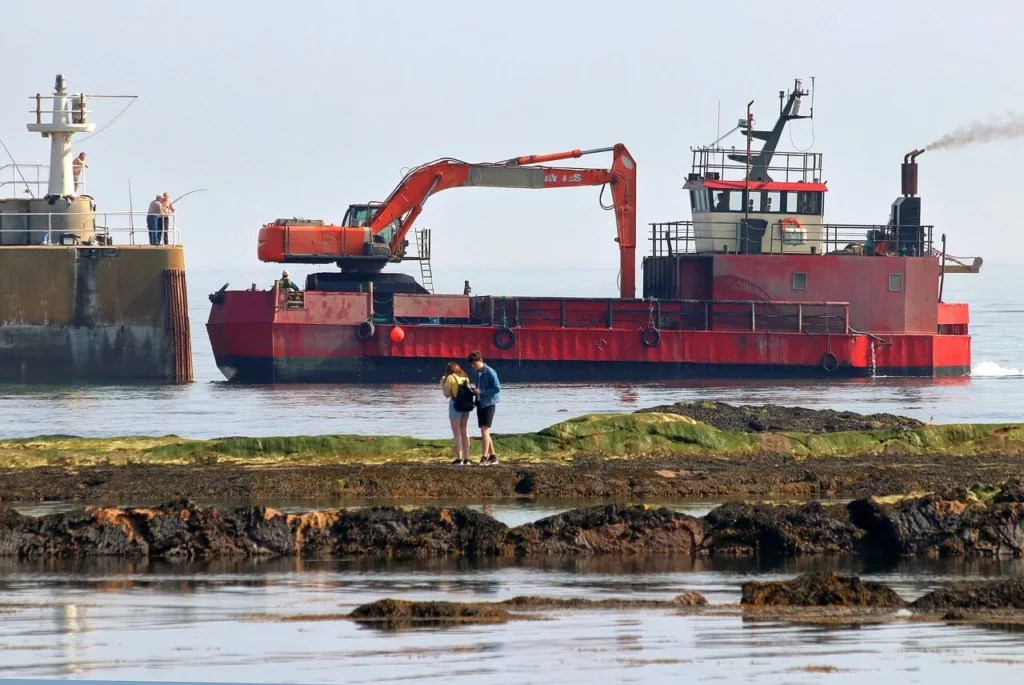
Selecting the right pump and dredging equipment is crucial for the success of any project in Ireland. The unique geographical and environmental conditions and specific project requirements necessitate a careful and informed decision-making process. This guide provides expert insights into the key considerations and best practices for choosing the right equipment to ensure efficient and successful project outcomes. Understanding Project Requirements Before selecting any equipment, it is essential to have a comprehensive understanding of the project requirements. This involves assessing the scope, scale, and objectives of the project. Key questions to consider include: Types of Dredging Equipment Several types of dredging equipment are commonly used in projects across Ireland. Each type has its specific applications and benefits: CSDs are versatile and powerful machines ideal for dredging compacted sediments and hard materials. They use a rotating cutter head to loosen the material, which is then sucked up by a pump and discharged through a pipeline. CSDs are suitable for many projects, from port construction to land reclamation. TSHDs are self-propelled vessels equipped with suction pipes and hoppers. They are highly efficient for dredging loose and soft materials such as sand and silt. TSHDs are often used for maintenance dredging in ports and waterways and for beach nourishment projects. Backhoe dredgers are stationary platforms equipped with a hydraulic backhoe for excavating material. They are particularly effective for dredging in confined areas and near structures. Backhoe dredgers are commonly used for precise tasks such as quay wall construction and harbor deepening. Bucket ladder dredgers use a series of buckets mounted on a ladder to scoop up material from the seabed. They are suitable for dredging materials and can operate in shallow and deep waters. These dredgers are often used in mining and large-scale land reclamation projects. Types of Pumps The choice of pump is equally essential and depends on the material’s nature and the required discharge distance. Common types of pumps used in dredging projects include: Centrifugal pumps are widely used in dredging due to their efficiency and ability to handle large volumes of water and slurry. They convert rotational energy into kinetic energy, creating a material flow through the pump. Submersible pumps are designed to operate underwater and are ideal for pumping thick slurries and sediments. They are highly durable and can handle abrasive materials, making them suitable for harsh dredging environments. Hydraulic pumps use pressurized fluid to move material and are commonly used with hydraulic dredging equipment. They are powerful and capable of handling high-density slurries and sediments. Environmental Considerations Environmental protection is a critical aspect of any dredging project in Ireland. Equipment that minimizes environmental impact and complies with local regulations must be chosen. This includes selecting equipment with low emissions, using silt curtains to contain turbidity, and employing best practices for sediment disposal. Maintenance and Support Reliable maintenance and support are crucial for the successful operation of dredging equipment. Choose equipment from reputable manufacturers and suppliers offering comprehensive support services, including maintenance, repairs, and availability of spare parts. Regular maintenance ensures optimal performance and extends the equipment’s lifespan. Conclusion Choosing the right pump and dredging equipment for successful projects in Ireland requires careful consideration of project requirements, equipment capabilities, and environmental factors. By understanding the project’s specific needs and selecting appropriate equipment, you can ensure efficient, cost-effective, and environmentally responsible dredging operations. Partnering with experienced suppliers and maintaining the equipment properly will further contribute to the success of your dredging projects.

Expert Guide to Choosing the Right Pump and Dredging Equipment for Successful Projects in Ireland Read More »