Revolutionizing Environmental Protection in Dredging with Advanced Pipeline Techniques
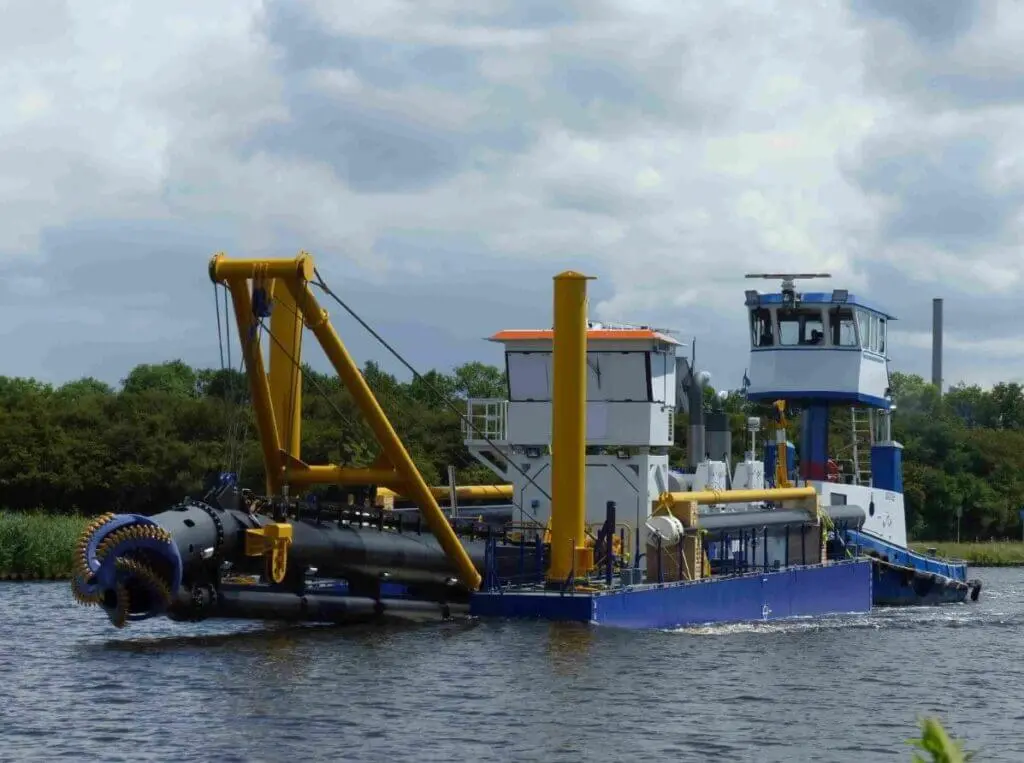
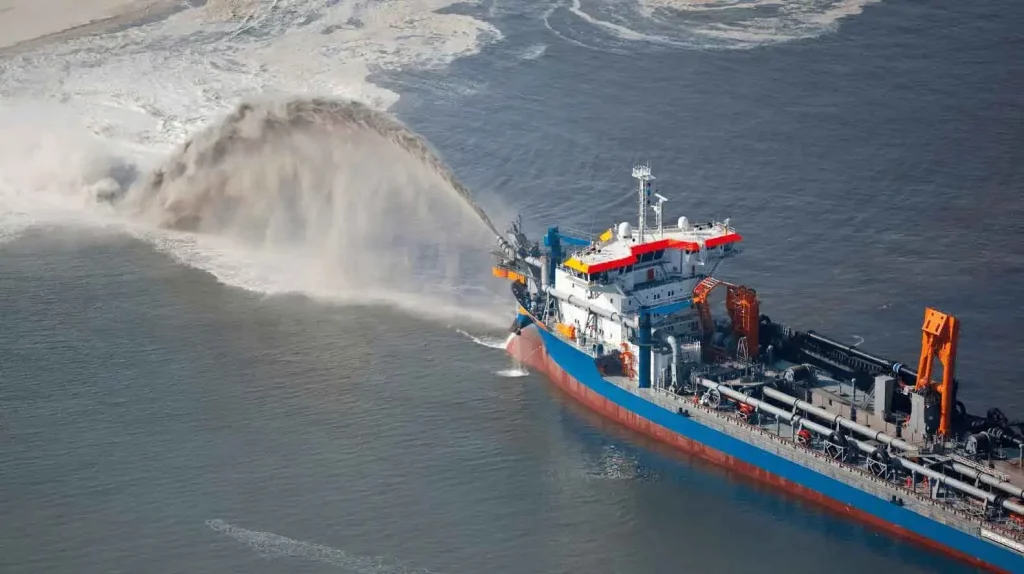
Dredging plays a vital role in maintaining and expanding navigable waterways, supporting industries like shipping, construction, and resource extraction. However, traditional dredging methods have long been criticized for their negative environmental impacts. The resuspension of sediments, disturbance of marine habitats, and introduction of harmful pollutants into aquatic ecosystems are common issues associated with older dredging techniques. These challenges have highlighted the need for environmental protection in dredging, as traditional practices often fail to address the ecological harm they cause adequately. As a result, there is a growing push toward more sustainable dredging solutions that prioritize both operational efficiency and the preservation of marine ecosystems. Fortunately, advanced pipeline dredging has emerged as a more environmentally friendly and sustainable solution. As the demand for balancing industrial needs with environmental protection in dredging grows, pipeline dredging offers a way to minimize the environmental footprint of essential dredging activities. Through the adoption of sustainable dredging practices and the use of innovative pipeline dredging equipment, the industry is now better equipped to ensure environmental protection while simultaneously meeting operational goals and preserving natural ecosystems. Understanding Pipeline Dredging Pipeline dredging is a method of sediment removal that uses suction and hydraulic power to transport dredged material through a system of pipelines. This method differs significantly from traditional mechanical dredging, which typically involves physical scooping and the transport of sediment by machinery. With pipeline dredging, the dredged material is moved directly from the seabed or riverbed to a designated disposal area or processing site, reducing the need for multiple handling stages. This process enhances environmental protection in dredging by minimizing the disruption to aquatic ecosystems, as the material is transported more efficiently and with less disturbance to the surrounding environment. Furthermore, pipeline dredging allows for more precise control over sediment removal, ensuring that only targeted areas are affected, which is a key element in modern sustainable dredging practices. One key advantage of pipeline dredging is that it minimizes disruption to marine ecosystems. Traditional methods often cause significant sediment resuspension, which can cloud the water, harm marine plants, and disturb aquatic life. In contrast, pipeline dredging equipment operates more precisely, reducing these disturbances and allowing for more controlled sediment removal. This method not only improves efficiency but also aligns with the growing focus on environmental protection in dredging operations. Environmental Benefits of Advanced Pipeline Dredging Techniques One of the most significant environmental benefits of advanced pipeline dredging techniques is the reduction of sediment resuspension. When sediments are disturbed, harmful pollutants such as heavy metals and chemicals can be released into the water. These pollutants degrade water quality, harm aquatic organisms, and disrupt entire ecosystems. By using precision technologies, pipeline dredging equipment minimizes the release of these harmful substances, improving water quality and enhancing environmental protection in dredging projects. Another benefit of advanced pipeline dredging is its ability to protect marine life and habitats. Many modern systems are equipped with real-time monitoring technologies that allow operators to avoid sensitive areas such as coral reefs, fish spawning grounds, and other vital habitats. This ensures that operations can proceed with minimal risk to the surrounding ecosystem, further supporting sustainable dredging practices. Additionally, pipeline dredging requires less reliance on chemicals traditionally used in other dredging methods, further reducing environmental harm. Technological Innovations Enhancing Environmental Protection Recent technological advancements have played a crucial role in improving the environmental performance of pipeline dredging equipment. The development of eco-friendly pipeline dredging equipment has significantly lowered emissions and reduced fuel consumption, enhancing environmental protection in dredging. Some equipment now operates using hybrid or electric technologies, which further minimizes their carbon footprint and impact on surrounding environments, reinforcing the commitment to environmental protection in dredging practices. Automation is another key advancement in pipeline dredging. It allows for precise operations that reduce unnecessary environmental disturbances. Automated systems can adjust dredging activities in real-time, optimizing efficiency while minimizing the impact on the ecosystem. For example, automated equipment can target specific areas for dredging, leaving the surrounding seabed undisturbed. These systems can also monitor water quality and sediment composition, providing data that operators can use to ensure environmental protection in dredging. Filtration systems have also advanced significantly, enabling the capture of pollutants and debris during dredging operations. These filtration systems prevent contaminants from being released into the water, ensuring that dredging activities do not contribute to the degradation of the aquatic environment. This not only improves the quality of the dredged material but also ensures that the surrounding ecosystems remain uncontaminated. The Future of Pipeline Dredging and Environmental Protection Looking ahead, pipeline dredging is expected to continue evolving toward even more sustainable dredging practices. Emerging trends in the industry include the development of fully automated dredging systems that rely on advanced monitoring and data analysis to minimize environmental impact further. These systems will likely incorporate AI and machine learning to predict environmental risks and adjust operations accordingly, enhancing both efficiency and environmental protection in dredging. By adopting these technologies, dredging operations can better align with sustainable dredging practices, ensuring that environmental considerations are integrated into every stage of the process, ultimately leading to improved ecological outcomes and reduced disruption to marine ecosystems. Regulatory bodies also play an essential role in shaping the future of pipeline dredging. Governments and international organizations are increasingly setting stricter environmental standards for dredging operations, pushing companies to adopt more sustainable dredging practices. These regulations are driving innovation and helping ensure that future dredging activities prioritize environmental protection. As the demand for sustainable industrial practices grows, the pipeline dredging industry will need to continue embracing technological advancements. Continued innovation in equipment design, monitoring systems, and operational strategies will be vital to achieving long-term environmental health. The future of environmental protection in dredging depends on the industry’s commitment to adopting and refining these technologies. Conclusion Advanced pipeline dredging techniques represent a major step forward in environmental protection in dredging operations. By reducing sediment resuspension, minimizing the release of harmful pollutants, and utilizing eco-friendly technologies, these methods are transforming how dredging is conducted. They ensure that industrial
Revolutionizing Environmental Protection in Dredging with Advanced Pipeline Techniques Read More »